Hiking backpacks
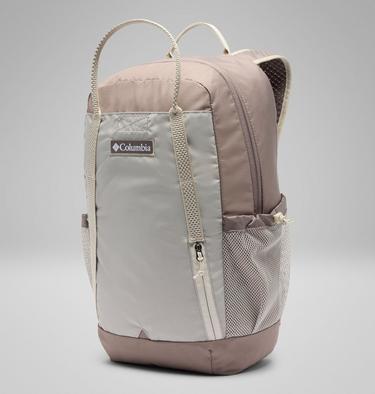
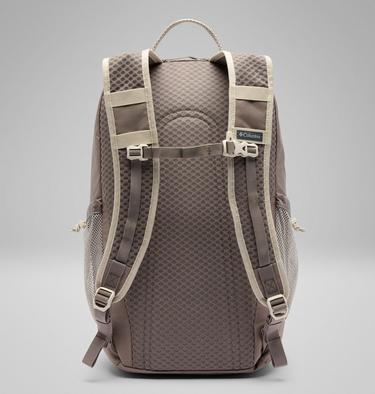
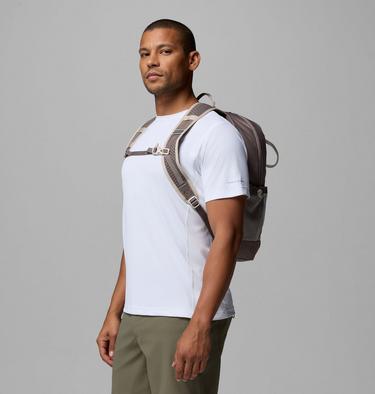
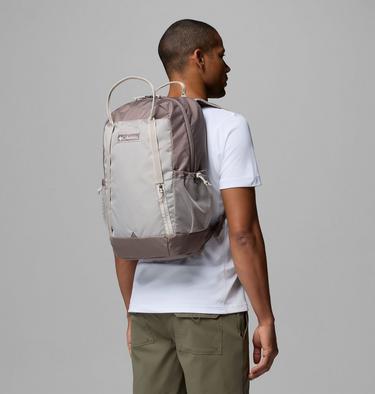

If you’re anything like us, there’s nothing better than heading outdoors with the right gear on your back. A well-designed hiking backpack can make all the difference, whether you’re setting off for a day walk or a multi-day trekking adventure in the mountains. At Columbia Sportswear®, we create hiking backpacks for real-life adventures, from handy hip packs to 60-litre rucksacks. Just like our women’s and men's hiking jackets, each one is packed with features that help you get the most out of every trail, climb and woodland wander.
In this guide, we’ll unpack what to look for when buying a hiking backpack and how to find the right fit for your journey.
There’s no such thing as a one-size-fits-all solution when it comes to hiking backpacks. Some are designed to carry the basics, water, snacks, winter gloves and a spare layer. Others are built to support multi-day expeditions and technical gear, complete with Columbia Sportswear® innovations like Omni-Shield™ to repel moisture and resist stains. Our selection includes lightweight daypacks, roomy rucksacks for longer hikes and specialist packs for alpine and multi-sport adventures. Your destination, duration and gear needs will help determine the right options for you.
Compact and versatile, daypacks are perfect for shorter hikes, commutes and trail-to-town adventures. With capacities ranging from 18 to 28 litres, these packs keep things light without skimping on function. Look for zipped pockets, water bottle holders and foam-padded back panels for all-day comfort. Many styles also feature breathable mesh and adjustable hip belts to keep you supported from start to finish. Durable yet lightweight materials make these bags ideal for fast-paced hikes and warm-weather treks.
For weekend getaways, hut-to-hut walks or gear-heavy day trips, multi-day packs are the way to go. Typically sized between 30 and 40 litres, these rucksacks offer extra room, a more structured build and clever storage features. Expect padded shoulder straps, a sternum strap, an ergonomic hip belt and a ventilated back panel. Side compression straps reduce bulk, while external loops allow you to attach hiking gear like hiking poles with ease. Most of our multi-day packs also include multiple compartments, hydration compatibility and a stowable rain cover, because “four seasons in one day” isn’t just a saying, it’s real life in the hills.
Sometimes the trail calls for more. More capacity, more stability and more support. Specialist hiking backpacks, with capacities up to 60 litres, are designed for long-distance, gear-intensive adventures. With breathable air mesh back panels, load-lifter straps, padded hip belts and sternum straps, these packs are built to distribute weight and keep you steady, even when the trail doesn’t cooperate. Their structured design integrates key extras like hydration system sleeves and trekking pole loops. If you’re planning a multi-day trek or backcountry outing, this is the kind of hiking bag that goes the distance.
A well-fitting backpack isn’t a luxury; it’s essential. The right fit improves comfort, reduces fatigue and helps you hike more efficiently. At Columbia Sportswear®, our backpacks are made to move with your body, not fight against it. Here’s how to get the fit just right.
Backpack sizing is based on the length of your torso—not your height. This is the distance between the base of your neck and the top of your hips. Many of our backpacks come in multiple sizes or feature adjustable suspension systems so you can customise the fit. A proper match means better weight distribution and less strain on your shoulders and spine.
Most of your backpack’s weight should sit on your hips, not your shoulders. That’s why a well-fitted hip belt is key. It should wrap snugly around your hip bones with the padding resting comfortably against your sides. All Columbia Sportswear® backpacks are built with adjustable hip belts to support different body types and hiking styles.
Once the pack is on, you can make final adjustments for comfort and control:
Every hike starts with the right gear and that means a well-fitted, thoughtfully designed bag should be top of the list. At Columbia Sportswear®, we’ve built a wide range of hiking backpacks that combine function, comfort and performance. With weather-resistant finishes, breathable back panels and smart organisation, our packs are made to excel in real-world conditions whether you’re navigating forest trails or rocky coastal hikes. Pair your backpack with a waterproof jacket and hiking trousers and you're ready for whatever the trail brings. Whether you're exploring locally or planning a longer travel adventure, the right backpack helps you carry everything with confidence.
For best results, always consult the care instructions that come with your product.
In general, to best care for your hiking rucksack or backpack, we recommend always brushing off any dried dirt or debris with a soft-bristle brush after each use. For a more thorough clean, handwash with a soft-bristle brush using a technical cleaner. Air dry completely before using again or storing.
Typically, a rucksack is more suitable for hiking. Featuring exceptional durability, hiking rucksacks are large and can carry heavier loads.
Not all rucksacks are waterproof. However, Columbia’s rucksacks tend to fare better in adverse weather; many styles feature our patented Omni-ShieldTM to ensure your gear stays dry in damp conditions. Omni-ShieldTM is our long-lasting, quick-drying technology that repels water and stains. It prevents liquids from absorbing and saturating the fabric of your gear.
Hiking rucksacks and backpacks are measured in litres (L), which indicates the capacity by volume they can hold.
The big three items for backpacking are your backpack (or rucksack), your shelter and your sleep system.
When packing your rucksack, it’s important to arrange the gear for maximum comfort.
Ready to gear up? Shop in our online store and find your next trail companion in Columbia Sportswear®’s hiking backpack collection.